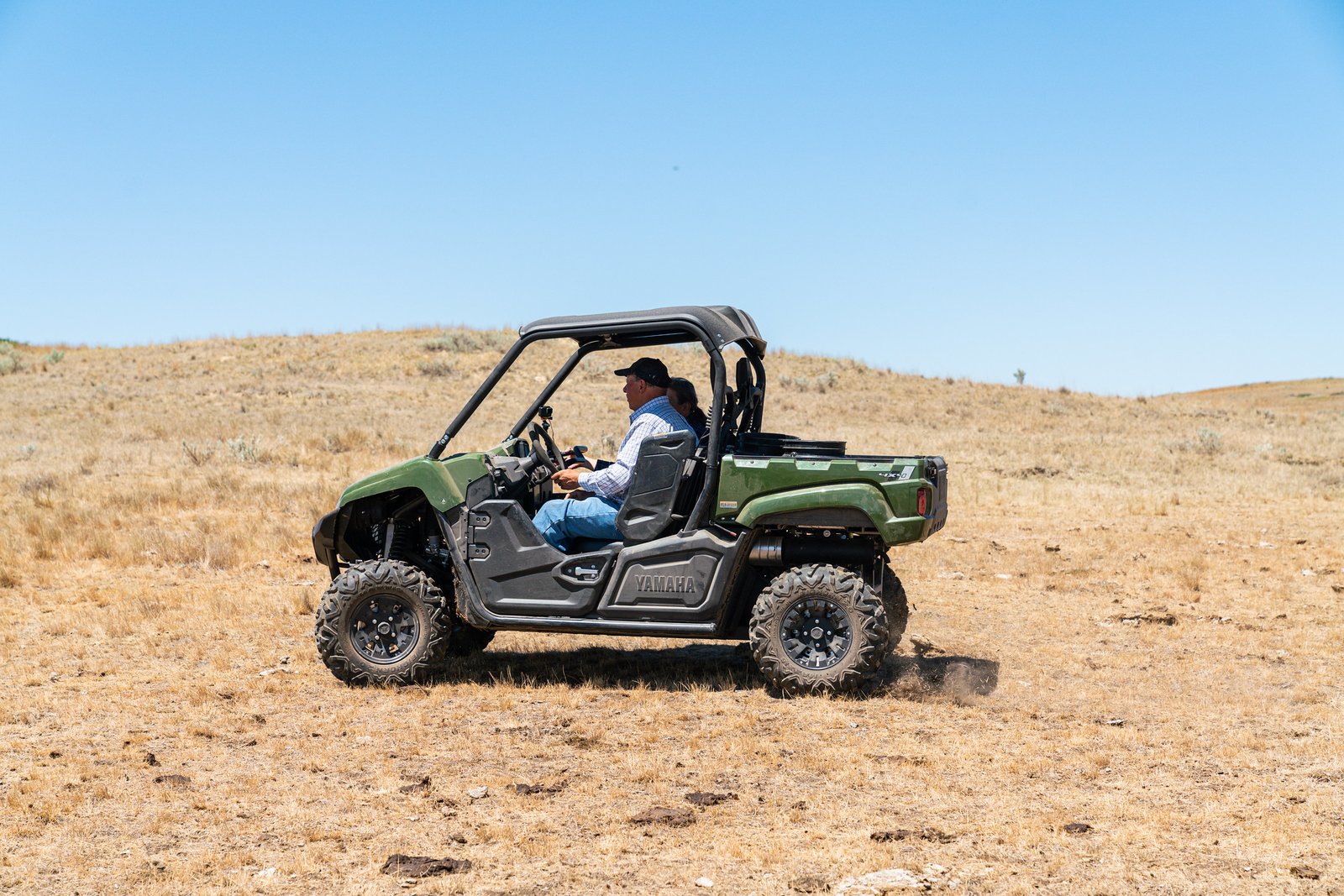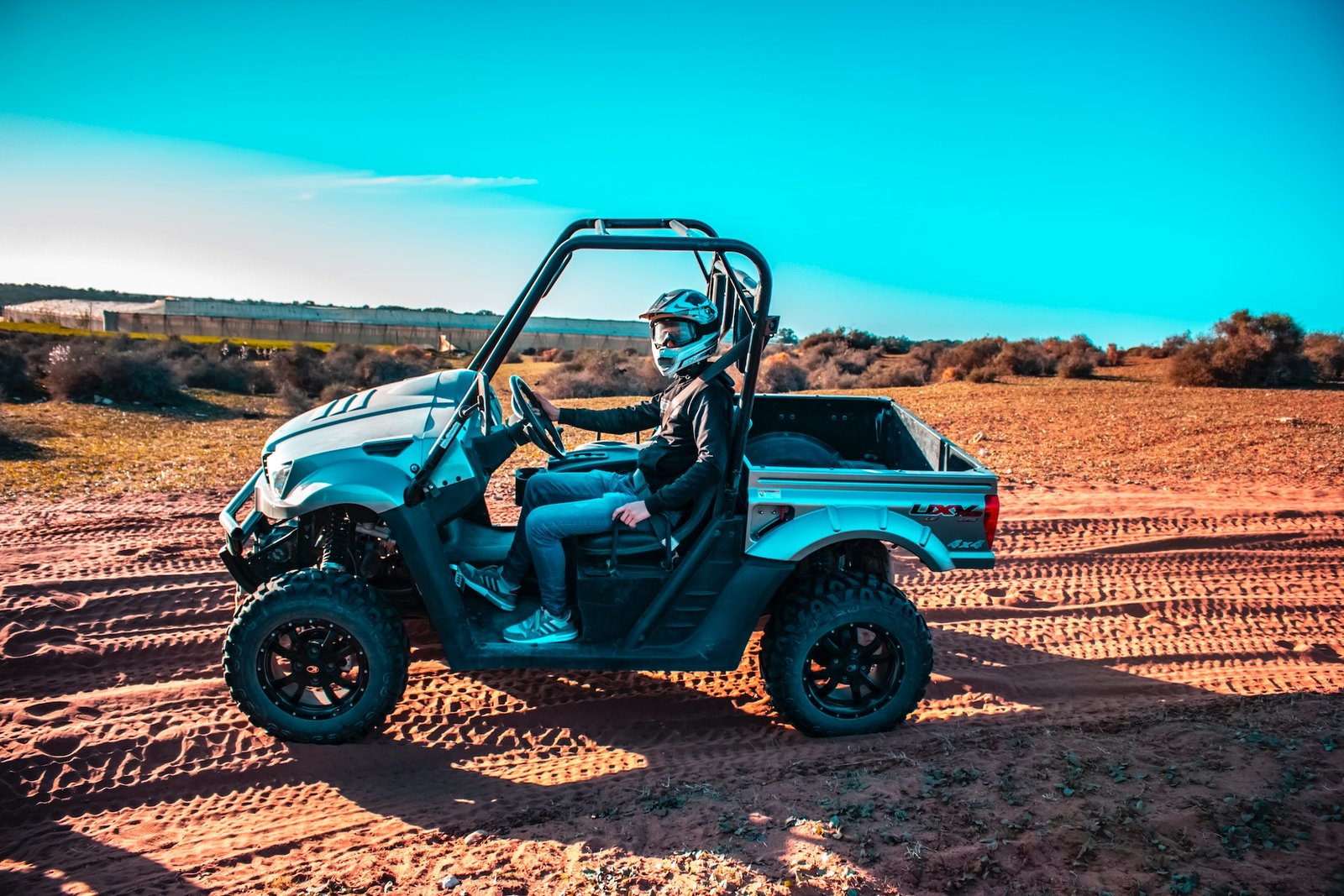
The world of off-roading is vast and exciting, offering endless opportunities for adventure and utility. One popular vehicle that has gained significant attention in recent years is the Utility Task Vehicle (UTV). This comprehensive guide will provide you with an in-depth look at the world of UTVs, from their history to their future trends.
Definition of UTVs
A UTV, also known as a side-by-side, is a four-wheeled off-road vehicle designed for utility purposes, recreation, and even sport. They are known for their versatility, durability, and capacity to traverse challenging terrains, making them perfect for various tasks and adventures.
Importance of UTVs
UTVs have become essential for many outdoor enthusiasts and workers due to their ability to tackle various tasks while providing a comfortable and secure ride. They are widely used in agriculture, construction, hunting, search and rescue missions, and even racing events, showcasing their diverse range of applications.
Learn More
- What is a UTV? The Difference Between UTVs and ATVs – RumbleOn
- What is a UTV? | ATV.com
- What Is A UTV: Types of UTV, UTV Cost, And UTV Brands
- ATV vs. UTV: What’s the Difference? – Cardo
- ATVs and UTVs: Everything you need to know | Life Lanes
History of UTVs
The history of UTVs can be traced back to the 1980s, with the introduction of vehicles like the Kawasaki Mule and the John Deere Gator. These early models were primarily designed for work applications, focusing on utility and functionality. Over time, UTVs have evolved to cater to a wider range of needs, including sport and recreation, while maintaining their utility-driven origins.

Image by Photo by Any Lane via pexels
Types of UTVs
UTVs come in various forms and categories, each designed for specific purposes and applications. The main types of UTVs include:
- Sport UTVs: These high-performance UTVs are designed for speed, agility, and off-road thrills. They often feature powerful engines, long-travel suspension systems, and aggressive styling, making them perfect for racing and recreational activities.
- Work UTVs: Focused on utility and functionality, work UTVs are designed to tackle various tasks and carry heavy loads. They often come with features like winches, cargo beds, and towing capabilities, making them suitable for agriculture, construction, and other industries.
- Recreational UTVs: These UTVs strike a balance between sport and work capabilities, offering a versatile option for those who want a vehicle that can handle both leisure activities and utility tasks. They often come with a mix of performance, comfort, and convenience features.
Learn More
- A (Somewhat Brief) History of the UTV Industry
- Utility vehicle – Wikipedia
- 2021 UTV Segment Buying Guide | U.S. News
- UTV History │ PolarisPartsNation.com
Factors to Consider When Choosing a UTV
When selecting the right UTV for your needs, several factors should be considered:
- Engine Size: The engine size impacts a UTV’s power, performance, and fuel efficiency. Choose an engine size that matches your intended use and terrain.
- Transmission Type: UTVs typically come with either manual or automatic transmissions. Consider your preferences and skill level when deciding between the two.
- Suspension System: The suspension system determines a UTV’s handling, ride quality, and off-road capabilities. Look for a suspension system that suits the type of terrain and activities you plan to engage in.
- Tires and Wheels: Tires and wheels affect a UTV’s traction, performance, and ride quality. Choose a combination that matches your intended use and terrain.
- Brakes: The braking system is crucial for safety and control. Look for a UTV with reliable and responsive brakes.
- Safety Features: Look for safety features such as roll cages, seat belts, and fire extinguishers to ensure a secure riding experience.
- Comfort Features: Consider features like adjustable seats, heating and cooling systems, and ergonomic controls for a more enjoyable ride.
Popular UTV Brands
There are several well-known UTV manufacturers in the market, each offering a range of models and features:
-
- Polaris: Known for their RZR and Ranger series, Polaris offers a diverse lineup of high-quality UTVs for various purposes.
- Yamaha: Yamaha is another popular brand, with their Wolverine and Viking models being well-regarded for their performance and reliability.
- Can-Am: The Can-Am lineup, including the Maverick and Defender models, is known for its innovation and cutting-edge technology.
- Honda: Honda’s Pioneer series offers dependable UTVs that combine utility and fun.
- Arctic Cat: Arctic Cat provides a range of UTVs, including the Prowler and Wildcat series, designed for both work and play.
Learn more:
- Buying A New UTV? Consider These 6 Factors First. | AgWeb
- Protecting Your Investment – Custom UTV Covers
- The Hottest UTV Brands and Side-by-Side Models for 2022 – MotorTrend
- How to choose a UTV: Buying the right Side-by-Side – Dirt Portal
- 2021 ATV Segment Buying Guide | U.S. News
Features of UTVs
UTVs come with a variety of features to enhance their utility, comfort, and performance. Some of the key features to look for in a UTV include:
Cargo Capacity: Evaluate the cargo capacity of the UTV to ensure it meets your needs, whether you need to haul tools, equipment, or supplies. Many UTVs have dump beds or cargo boxes for added convenience.
Towing Capacity: If you plan to use your UTV for towing, check the towing capacity of the model you are considering. This will ensure that the UTV can handle the weight of your trailer or other towed equipment.
Performance and Handling
4-Wheel Drive: Four-wheel drive (4WD) is essential for off-road performance and navigating challenging terrain. Most UTVs come standard with 4WD, but some may offer 2WD as an option for lighter use.
Power Steering: Power steering can significantly improve the handling and maneuverability of a UTV, especially in tight spaces or when navigating rough terrain.
Seating Capacity and Customization
Seating Capacity: UTVs come in various seating configurations, ranging from single-seat models to those that can accommodate up to six passengers. Consider your needs and how many people you expect to transport regularly.
Accessories and Customization Options: Many UTV manufacturers offer a range of accessories and customization options, such as winches, plows, or audio systems. Consider whether you’ll need these additional features to enhance your UTV experience.
Warranty, Service, and Fuel Type
Warranty and Service: Look for a UTV brand that offers a comprehensive warranty and reliable service network. This will provide peace of mind and help ensure your UTV remains in top condition.
Fuel Type: UTVs are typically powered by either gasoline or diesel engines. Gasoline engines tend to offer more horsepower and quicker acceleration, while diesel engines generally provide better fuel economy and more torque for towing and heavy-duty tasks. Consider your specific needs and preferences when choosing between the two types.
Terrain Capabilities and Safety Features
Terrain Capabilities: UTVs are designed for various terrains, from smooth trails to rough and rocky surfaces. Be sure to choose a UTV with the appropriate suspension, ground clearance, and tires to handle the type of terrain you’ll be driving on most frequently. Some models may also come with specialized features like locking differentials or selectable 4-wheel drive to improve off-road capabilities.
Safety Features: Safety should always be a priority when choosing a UTV. Look for models that come equipped with features such as roll cages, seat belts, and safety nets to protect occupants in the event of an accident. Additionally, consider UTVs with features like electronic stability control, which can help prevent rollovers and loss of control.
Budget Considerations
Price: UTVs can range in price from a few thousand dollars to well over twenty thousand dollars, depending on the model, features, and accessories. Set a budget for yourself and prioritize the features that are most important to you when selecting a UTV within your price range. Keep in mind that financing options and dealer incentives may be available to help make your purchase more affordable.
Resale Value: Like other vehicles, UTVs will depreciate in value over time. Some brands and models tend to hold their value better than others. Research resale values and consider this factor when making your decision, as it could save you money in the long run if you decide to sell or trade-in your UTV in the future.
Before You Buy
Test Drive: Before making a final decision, it’s always a good idea to test drive the UTV you’re considering. This will give you a feel for the handling, power, and overall performance of the vehicle. Test driving will also allow you to determine whether the UTV is comfortable and meets your personal preferences for ergonomics and visibility.
Dealer Reputation: Research the reputation of the dealers in your area before making a purchase. A reputable dealer will be knowledgeable about the products they sell, offer excellent customer service, and provide ongoing support for maintenance and repairs. Read reviews and ask for recommendations from friends or online forums to ensure you choose a dealer you can trust.
Legal and Maintenance Requirements
Insurance and Registration: Depending on your location, you may be required to register your UTV and obtain insurance coverage. Research the requirements in your area and factor in the cost of insurance and registration when determining your budget for a UTV.
Maintenance and Parts Availability: UTVs require regular maintenance to keep them running smoothly and safely. Ensure that replacement parts and qualified service technicians are readily available in your area, either through your dealer or independent repair shops. Having access to maintenance and parts will help prolong the life of your UTV and prevent potential downtime.
Conclusion
By carefully considering these factors and taking the time to research and test drive various models, you’ll be well-equipped to make an informed decision when purchasing a UTV. Remember that the right UTV for you will depend on your unique needs, preferences, and budget. Once you’ve made your decision, you’ll be able to enjoy the many benefits that come with owning a versatile and capable off-road vehicle, whether you use it for work, play, or a combination of both. Happy trails!
Featured Image by Abdelkarim Achtaou via pexels